While hunting for undemanding entertainment in my Amazon Prime watchlist the other night, I found myself drawn to The Black Scorpion (1957).
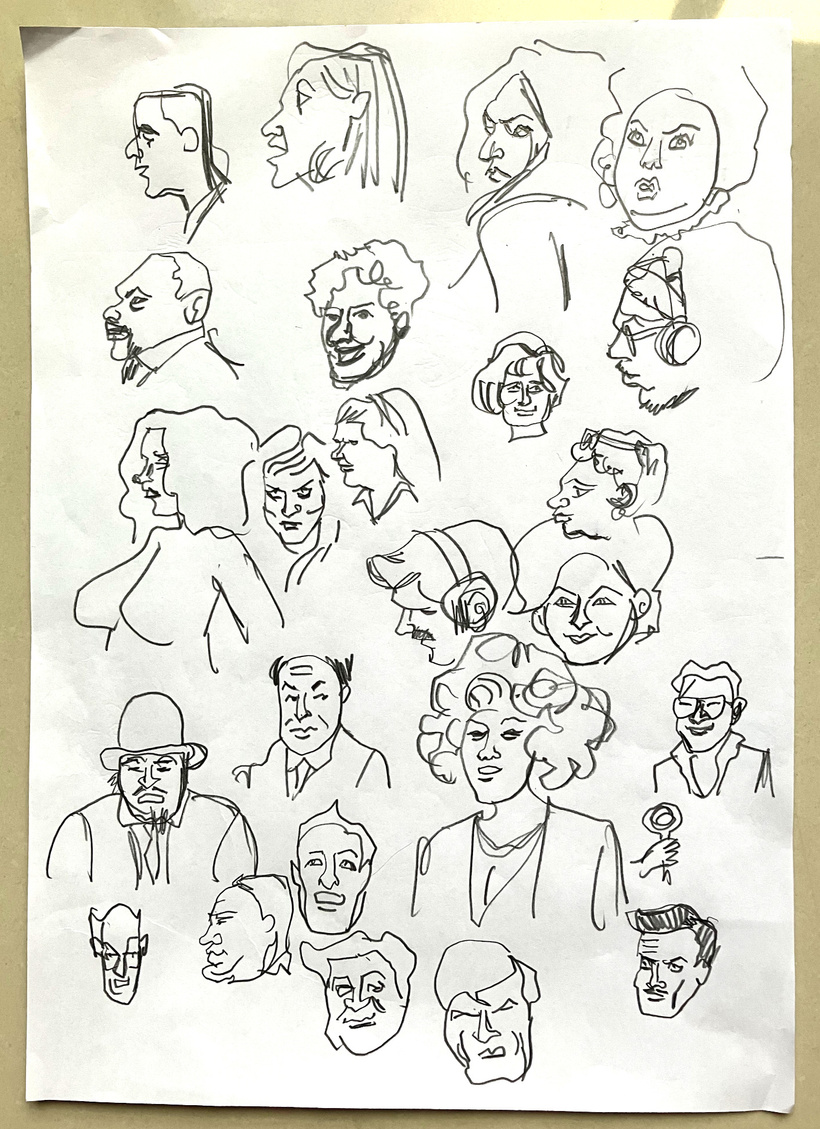
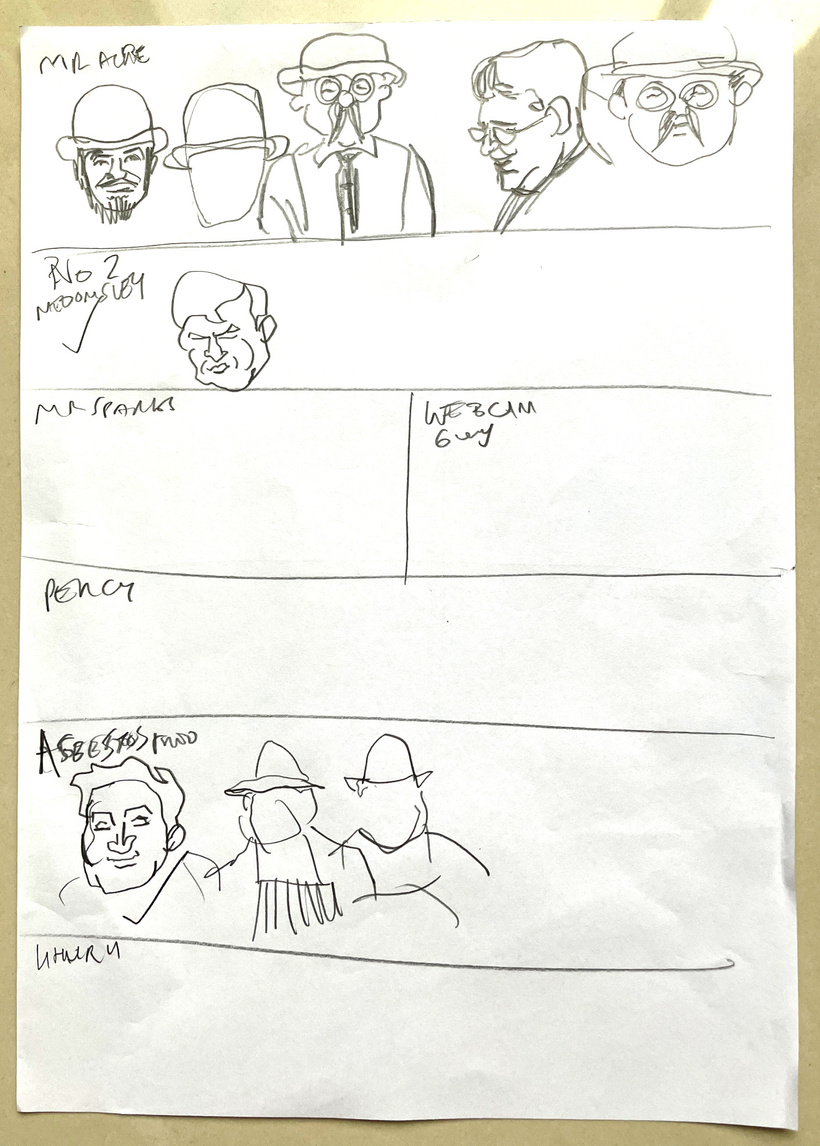
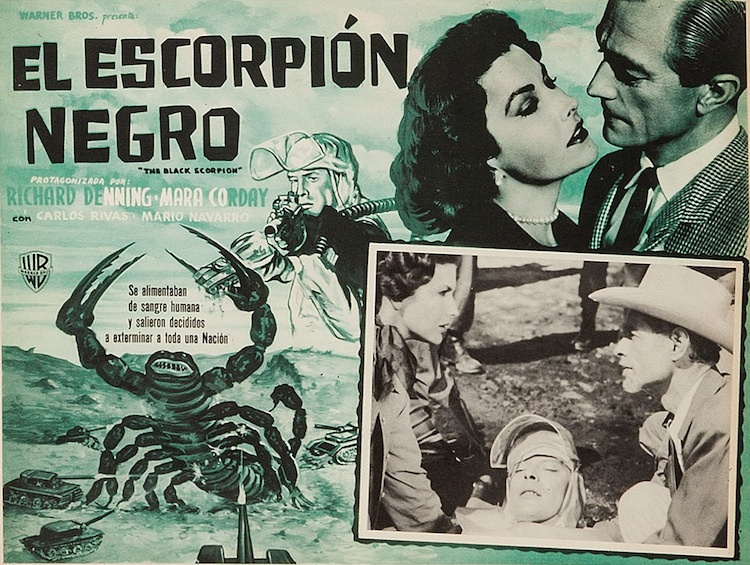
The striking, almost abstract, black blob with lopsided fangs that dominates the movie’s poster was familiar to me from various appearances in The Dark Side Magazine – although I’m not sure I realised the shape was supposed to represent a scorpion. I think I’ve even drawn it at some point, in one of my monster-themed sketchbook spreads, though I can’t find any evidence of that right now. Perhaps in truth I was subconsciously attracted to the image because I too have one fang.
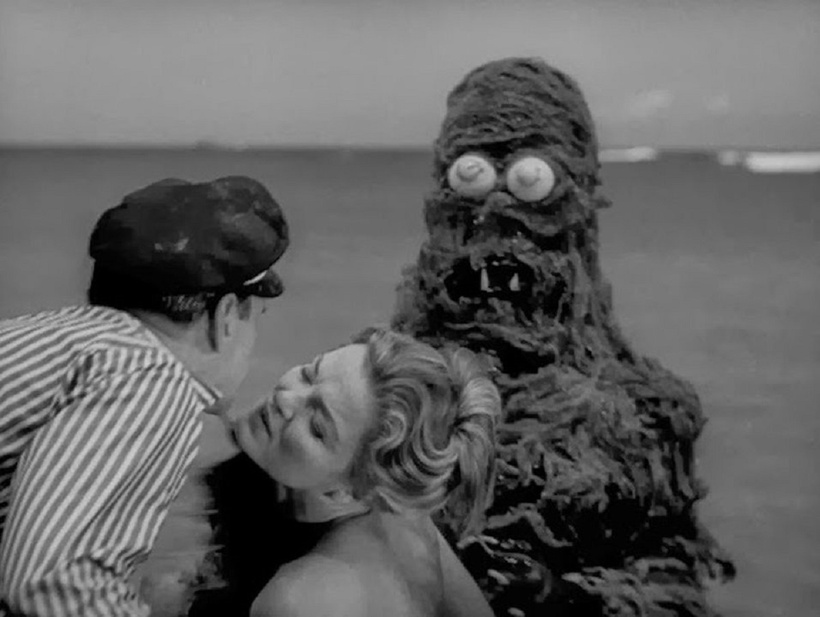
The poster set me up to expect a Roger Corman-style cheapie, where half the fun is enjoying the oddball make-do designs for the man-in-a-suit monsters. (A notorious example being the goggle-eyed heap that gives Creature from the Haunted Sea its name.)
But when the opening library footage of an erupting volcano gave way to breathtaking shots of Mexican landscapes and lava formations, it became apparent this had been made on a grander scale and with a keener aesthetic eye than most ’50s B-movies.
My attempts to take screenshots were sadly thwarted by IP-protection technology but I could easily have filled this post with striking images and let them speak for themselves. Who was the cinematographer? Lionel Lindon, who would go on to shoot Around the World in 80 Days and The Manchurian Candidate.
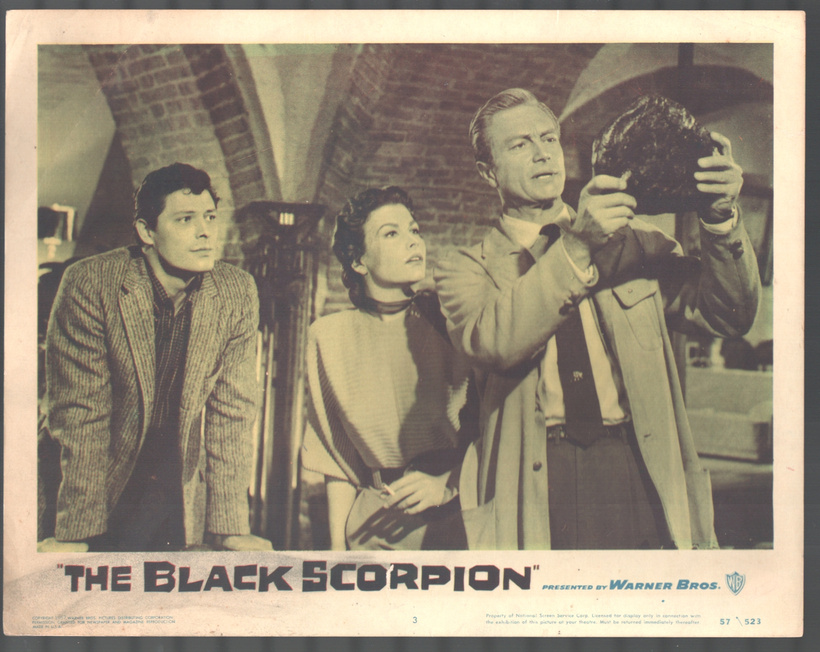
Square-jawed Richard Denning (Creature from the Black Lagoon) and high-cheekboned Carlos Rivas (The King and I) play the geologists investigating the eruption. En route to the volcano they happen across a deserted gas station – deserted, that is, apart from an unaccompanied baby and a dead policeman, who is frozen in horror having unloaded his revolver at an unknown assailant.
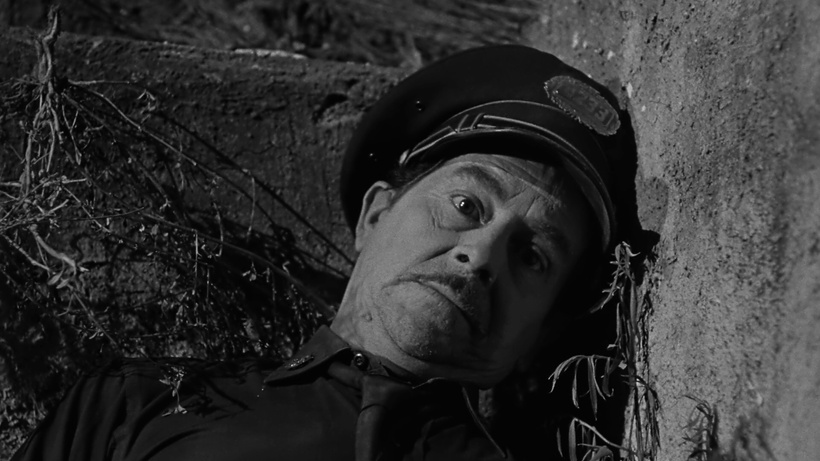
Denning and Rivas take the baby to the nearby village San Lorenzo, where they discover distressed locals on high alert for a ‘demon bull’ which has been destroying cattle and stoving in the bonnets of cars like they were paper maché.
The bull of course is revealed to be a giant, centuries-old, scorpion and, guess what, there is not just one as implied by the movie’s title, but a whole underground nest full of them, and that nest stretches all the way to Mexico City. Can you see where this story is going?
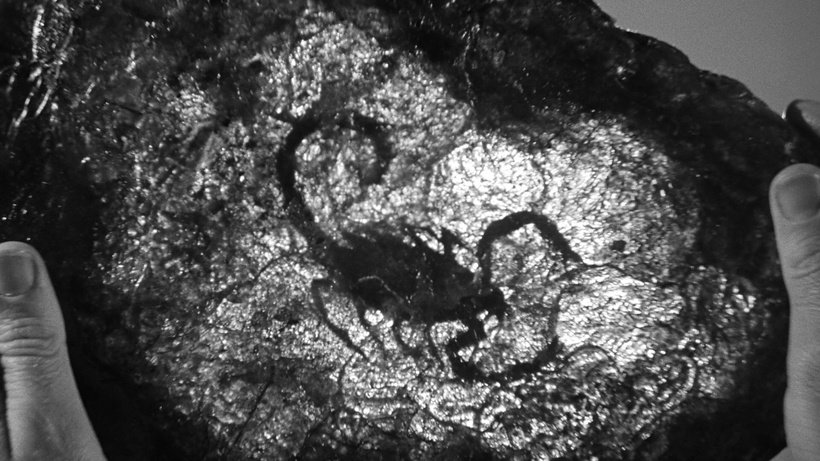
Along the way there’s an anodyne, no-stakes romantic subplot which is lifted only by the wry and urbane presence of Mara Corday (The Giant Claw), who would go on to be a Playboy Playmate the following year and a regular cast member in films directed by her friend Clint Eastwood.
But it’s the scorpions we want to see, and they were brought to life using stop motion animation by legendary effects maestro Willis O’Brien (King Kong), in his last movie before retiring. He also populated the underground cave with creatures left over from Kong‘s infamous cut spider pit scene.
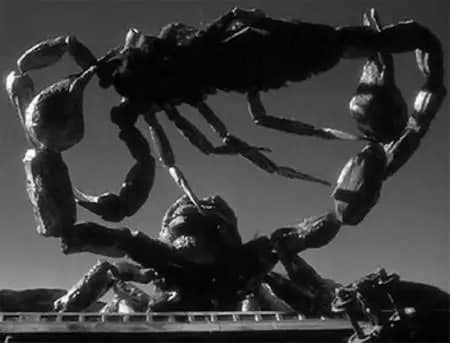
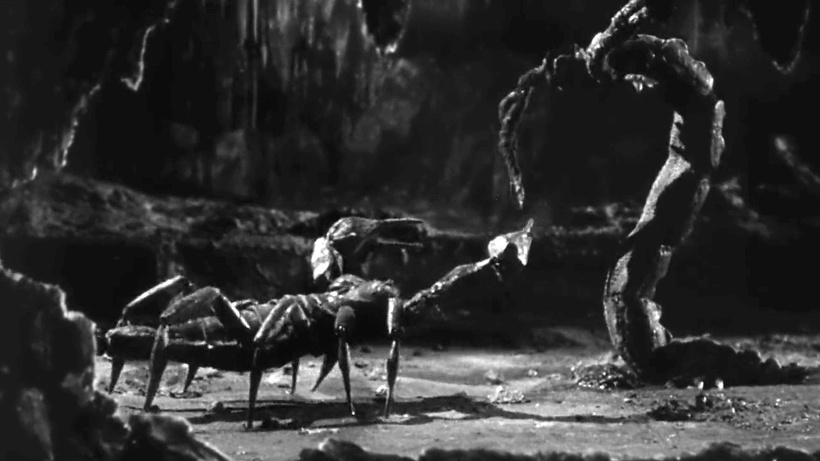
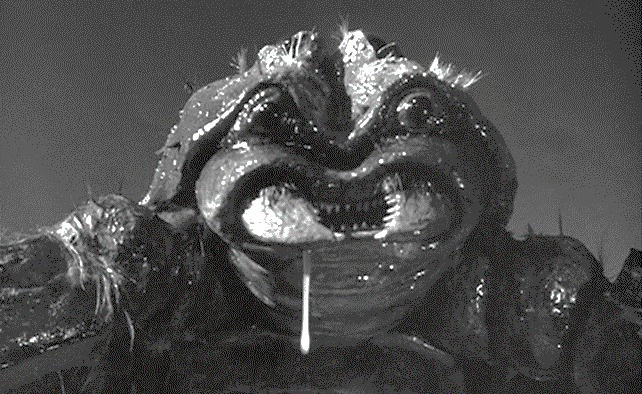
As the scorpions terrorise Mexico City at the movie’s climax, a variety of resourceful process methods are used to superimpose them onto the streets, surprisingly effectively for the time if you’re willing to suspend disbelief and be swept along by the imagery. Far less successful are the overused closeups of a drooling scorpion puppet created by Wah Chung (The Time Machine), which are more likely to elicit laughter than abject terror. And they don’t even have the outsized fang of the creature in the poster.
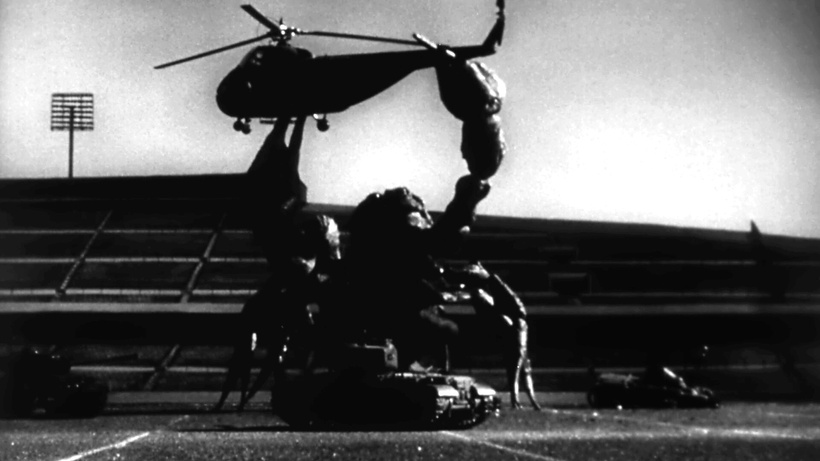
But no worries, the finale is coming, with its stadium-set showdown between the last scorpion standing and the military. O’Brien unleashes absolute mayhem, with the creature grabbing helicopters out of the sky and slamming them to the ground and chucking tanks around like toys.
Are you sold? Don’t get me wrong, this is not half as good a film or story as Them! (1954). But it’s better than it has a right to be, and it can sure take the sting out of an empty evening.